
MindSync Tips
Who Decided Adults Don't Get to Play? The Benefits of Play for Adults
Somewhere between your first job and today, play left the building without saying goodbye. Seeing friends now takes a shared calendar and a month of notice. Weekends fill up with laundry, admin and recovering from the week, and your energy gets budgeted like rent. Then someone asks "so what do you do for fun?" and the pause is long enough to boil an egg. The honest answer usually comes out as "I watch things in the evening." Sound familiar?
Why do adults stop playing?
Most of us treat play as a phase you grow out of, like loose teeth and afternoon naps. Being a capable, self-sufficient adult takes its place, and whatever playfulness survives gets rebranded as a hobby. Preferably a useful one: something you could monetize, or at least something that improves you in a way you could put on a chart.
It rarely goes in one dramatic moment. Play gets pushed out one evening at a time by things that feel more important. Work runs late, the chores still need doing, and rest starts to mean lying very still in front of a screen because nothing else fits in the tank. None of that is a character flaw. It's what happens when every hour has to earn its place.
There's a body side to this too. A lot of adults spend their days in a low hum of alertness, the setting your nervous system uses when it expects something to go wrong. Play seems to be one of the ways the body steps out of that mode for a while, because it's hard to be absorbed in a game and scanning for threats at the same moment. Researchers are still working out how exactly that happens, so take it as a sensible picture rather than a mechanism anyone has pinned down.
What play looks like for adults (it's not only board games):
I feel like grown-up play depends less on what you do and more on the angle you take on an ordinary moment. In 2018, researchers led by René Proyer, writing in Frontiers in Psychology, described adult playfulness as a trait that lets people frame or reframe everyday situations so they feel entertaining, intellectually stimulating or personally interesting. Emptying the dishwasher can be a chore or a personal-best attempt, depending on how you walk into it.
In practice, that can look like:
- A beginner class in something your body has never tried, like tap or roller skating, where the most advanced move of month one is falling gracefully.
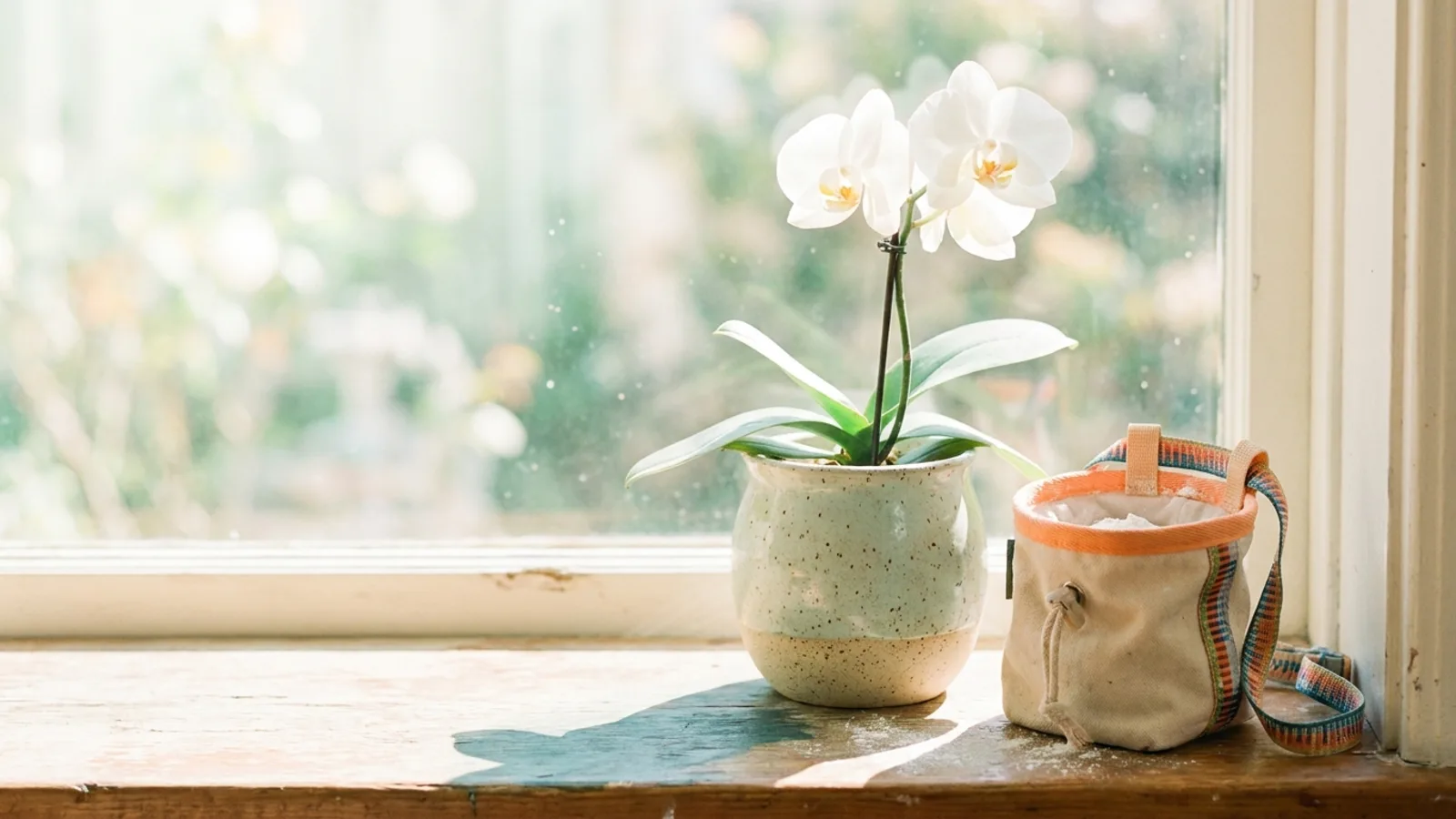
- Houseplants, and the slow, surprising process of developing genuine feelings about a single orchid.
- A choir that rehearses in a church hall and welcomes anyone who can hold a note, plus several people who can't.
- A card game with the neighbors where the house rules were never written down and someone invents a new one every week.
- Building something pointless out of cardboard, with a kid or entirely without one.
What usually doesn't count, however restful it feels, is the scroll that feels like rest. It fills the time, but it rarely leaves you feeling like you played.
The benefits of play for adults, according to research:
In 2013, Cale Magnuson and Lynn Barnett surveyed 898 students from three universities for a study in Leisure Sciences. The more playful students reported less perceived stress. They also leaned more on coping that tackles the problem itself, and less on avoiding it or escaping. It was a one-time survey of young adults, so it shows a link, not proof that play caused the difference.
In 2022, Christopher Clifford and colleagues asked 694 adults about stress and coping during the COVID-19 pandemic and published the results in Current Psychology. Stress in the sample was high. Even so, the more playful people felt more capable of handling what was happening, felt less helpless, and coped in more adaptive and supportive ways. Playfulness worked less like a luxury and more like equipment. This was also a snapshot rather than an experiment.
The study that moves things from "playful people cope better" to "you can practice this" came out in 2021. René Proyer, Fabian Gander, Kay Brauer and Garry Chick ran a randomized, placebo-controlled online study with 533 adults, published in Applied Psychology: Health and Well-Being. For one week, participants either did a short playfulness exercise, such as writing down three playful things that happened that day, or a placebo task. The exercises raised playfulness, and the rise went along with better well-being, with effects lasting up to 12 weeks.
Playfulness is trainable, and a week is enough to notice. The limit is that the study ran online and relied on people rating themselves, so it tells you what participants felt, not what anyone else observed.
How to get some play back without making it a project:
- Write down three playful moments from today. This one comes straight from the Proyer study. They don't need to be big: the dog's face when a bag rustled, the song you sang badly in the car, a stranger's excellent hat. Noticing them is the whole exercise.
- Pick something you'd be bad at. There's a strange freedom in being the worst person in the pottery class. Nobody expects anything from your bowl, including you, so the only thing left to do is enjoy it.
- Add play to something you already do. Cook without a recipe once a week. Take a different route home and pretend you're scouting it. Give yourself a lighter first ten minutes of the day, with music on before the news.
- Protect it from productivity. When the urge to optimize shows up, say it out loud: "I'm not doing this to get better at it. I'm doing it because it's fun."
Disclaimer: don't turn fun into a to-do list. Once play gets targets, a tracker and a progress bar, it turns back into work while you're not looking.
Between-session voice notes
Three playful moments said out loud before bed, which takes less time than deciding what to watch. Try it free in MindSync →
If play has gone missing together with sleep and patience, that's worth noticing too, because it's often one of the first things burnout takes. Getting it back won't fix exhaustion on its own, and if the tiredness sticks around, it's worth raising with a doctor or a therapist.
Fun that has to justify itself isn't fun yet.
This is what MindSync's Wellbeing check-ins are for. Log your energy and stress each evening, and record a quick voice note on the days you did something just for fun: the choir night, the orchid, the cardboard castle. Give it time, and Mood & focus-area trends turns those ratings into something you can see: how your energy and stress move across the weeks. Put the chart next to your notes and you can check for yourself whether the playful days sit higher. Then pick one more of those for next week.
What did fun look like for you at ten, and what's the grown-up version you haven't tried yet?
Keeping fun on the radar
- Wellbeing check-ins - Energy and stress rated in under a minute, so the evenings after something fun have numbers next to them.
- Mood & focus-area trends - Weeks of those ratings on one chart, where you can check whether the playful days really sit higher.
- Weekly & monthly summaries - A weekly read of your own entries that shows, honestly, whether anything fun made it into the week.
Frequently asked questions
Why do adults stop playing?
Most adults stop playing gradually, as work, chores and tiredness crowd out anything that doesn't feel useful. A culture that expects hobbies to be productive adds to it. Play rarely disappears because of a decision. It gets pushed aside, which also means it can be let back in through small, deliberate choices rather than a big change in lifestyle.
What are the benefits of play for adults?
Research links adult playfulness with lower perceived stress and more adaptive coping. A 2013 study of 898 students and a 2022 study of 694 adults both found this pattern, and a 2021 randomized online study found that a week of playfulness exercises raised well-being for up to 12 weeks. Most of this evidence is correlational or self-reported, so it's promising rather than settled.
How do adults play?
Adults play in many more ways than games: physical activities like dancing or climbing, creative projects, caring for plants, local events, volunteering, or turning an ordinary errand into something interesting. Researchers describe adult playfulness as reframing everyday situations so they feel entertaining or stimulating. The activity matters less than doing it without a goal attached.
Can play reduce stress?
Play is associated with lower stress in adults, although the research mostly shows a link rather than direct cause and effect. Playful people report less perceived stress and cope in more problem-focused ways. Play is a helpful everyday habit, not a treatment, so if stress is affecting your sleep, health or work, it's worth talking to a professional as well.
What counts as play for adults?
Play for adults is anything you do mainly because it's enjoyable, absorbing or interesting, with no productive outcome required. That can be a sport, a silly game, a creative mess, a curious detour or a joke shared with someone. If you're tracking progress or trying to monetize it, it's probably drifting back toward work.
Keep more from every session
MindSync keeps your sessions and the week between them in one place, so your progress stops slipping away. The trial is free, no credit card needed.


Get the app