
Therapy
Asking Again Won't Change the Answer: Living With an Anxious Attachment Style
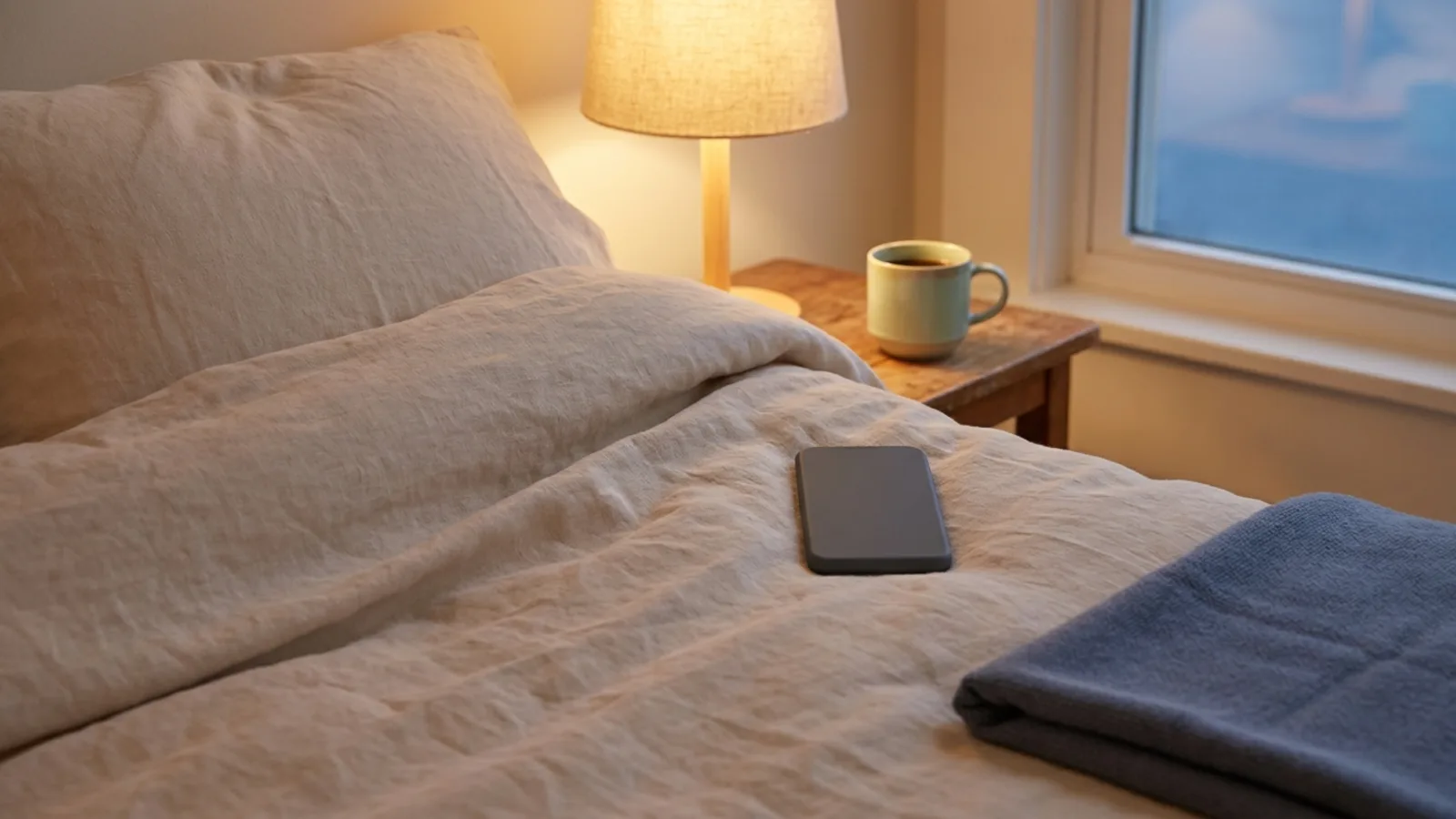
Do any of these sound familiar?
- Someone replies "ok." with a full stop, and four minutes later you're scrolling back through the last ten messages to find the one where it all went wrong.
- You asked "are we okay?" on Monday and got a warm, clear yes. It's Thursday, and the question is sitting on the tip of your tongue again.
- You turned the stove off. You remember the click. You're going back to check anyway.
That loop has a name in psychology, and the research on it is more hopeful than most of the internet lets on.
Where anxious attachment comes from:
Mary Ainsworth saw early versions of it in babies in the 1970s. Some infants learned that comfort arrived reliably. Others learned that it showed up on some days and not on others, with no way of knowing in advance which kind of day it would be. For that second group, the sensible move was to protest louder and keep watching the door. Crying harder didn't always work, but it worked often enough to keep doing it.
Once you're grown up, the setting changes: a partner instead of a parent, a phone screen instead of a doorway. The strategy often comes along unchanged. Early experience shapes the pattern, though it doesn't lock it in, and every relationship after that keeps editing it.
Fun fact: slot machines run on the same principle. Behavioral psychologists call it a variable ratio schedule. The payout might come on the third pull or the three hundredth, and that unpredictability is exactly what makes walking away so hard. Reassurance that arrived only some of the time trains a nervous system in much the same way.
One more thing the online quizzes leave out. Researchers don't really sort people into four neat boxes. Most studies measure two separate dimensions: attachment anxiety, which is how much you worry about being left or not loved enough, and attachment avoidance, which is how uncomfortable closeness makes you. Everyone lands somewhere on both. "Anxious attachment style" is shorthand for scoring high on the first. It describes a pattern, not a diagnosis.
Signs of an anxious attachment style in adult life:
Day to day, it shows up in small moments:
- You notice every shift in tone. A shorter message, a missing emoji, a "sure" where there used to be a paragraph.
- Good moments come with a catch. The lovely weekend is also the one you spend half waiting for it to end.
- Reassurance works until about tomorrow. You believe the answer, and the relief still wears off by morning.
- You test instead of asking. You go quiet to see if they notice, or mention plans to see whether they mind.
- Relief only arrives with the reply. Until the phone lights up, nothing else gets your full attention.
It often gets louder at night, and the version of the spiral that shows up at 2 a.m. has its own tricks. It also sits close to the automatic yes and where it comes from. The two are cousins: both try to keep a bond safe, but people-pleasing smooths things over in advance, while this one keeps checking afterward.
None of this makes you needy or too much. It's a strategy that once made sense, still running long after the conditions that built it have changed.
What research turned up:
In 2006, Fraley and colleagues published a set of studies in the Journal of Personality built around what they called morph movies: faces that slowly shifted from neutral to emotional, or back again. Participants stopped the film at the moment they saw the change. People high in attachment anxiety spotted it earlier than everyone else, whether an expression was appearing or fading. In one study they were also less accurate, because they made the call too soon. When the researchers had anxious participants watch the films for as long as everyone else, that accuracy problem reversed.
The radar is real. Your perception works fine. The timing is what trips it up.
So, does it ever change? In 2019, Chopik, Edelstein and Grimm combined three long-running studies in the Journal of Personality and Social Psychology, covering 628 people between the ages of 13 and 72. Attachment anxiety was already high in adolescence and kept rising into young adulthood. After that it declined on average, most of all in middle and older adulthood. These are group averages, so they can't tell you what your own line will do. They do suggest that wherever you are in your twenties isn't where you have to stay.
Therapy has its own evidence. A 2015 systematic review in Psychotherapy Research by Taylor, Rietzschel, Danquah and Berry looked at studies that measured attachment before and after psychological therapy. Attachment security tended to go up and attachment anxiety tended to go down, across different therapy approaches, settings and patient groups. For avoidance the picture was unclear, and the authors say more controlled trials are needed before anyone calls it settled.
Change, then, is possible, and it's reasonably well documented. It's also slow. It usually comes from many repeated experiences of a bond holding steady, not from one big insight in the shower.
The work comes down to three things, in this order:
- Settle your body before you answer anything. An anxious spiral is an alarm going off, and alarms are terrible at writing text messages. If you catch yourself drafting a reply to a reply that hasn't arrived yet, that's your cue to put the phone in another room for ten minutes. Breathe out slowly, walk around the block, drink a glass of water. There are a few quick ways to settle your body before you answer, and none of them take long.
- Learn which triggers are yours. Not every silence sets it off. For one person it's a reply that took a whole day, for another it's a phone call that ends a little abruptly, or plans that got made without them. Once you know your set, you can spot the next one as a familiar button being pressed, instead of taking it as proof that the relationship is ending. Finding the triggers that are specifically yours takes a few weeks of noticing, not one evening of thinking hard.
- Say the need in its simplest form. Three days of testing whether someone notices you're upset costs far more than one plain sentence: "I'm feeling unsure about us today and could use a bit of warmth." It feels exposing. It also gives the other person something they can actually do. Fighting hard for the bond is, oddly, the quickest way to wear it thin.
Wellbeing check-ins
Rate the anxiety on the calm days too, because a trigger only looks like a pattern when you have the quiet evenings to compare it with. Try it free in MindSync →
These steps won't make the alarm stop ringing. They buy you a few seconds between hearing it and acting on it, and the deeper work of changing the pattern belongs with a therapist. If the unpredictability is coming from the relationship itself, that's worth its own conversation with a professional.
One thing for the people who love someone anxious
You're not their therapist, and the old hurt isn't yours to fix. What helps is smaller and a lot less dramatic. Therapists have a name for it, a corrective emotional experience, and it mostly means a slow pile of evidence that closeness can stay steady. In an ordinary week, that looks almost boring. You text when you said you would. You mention you'll be offline all afternoon before you disappear, so nobody has to wonder where you went. After an argument, you come back the next day to finish it instead of leaving it hanging. Any single one of these proves very little. Months and years of them are what start to shift the pattern.
This is what MindSync's Between-session voice notes are for. Log the message you reread, the moment the alarm went off, and what you did next. Give it time, add a quick check-in on those same evenings, and Mood & focus-area trends turns the ratings into something you can see: which hours the anxiety climbs and how often the same kind of evening comes back. Read back the notes alongside it and you'll usually recognize the people and situations behind those evenings yourself. Then flag the moment worth unpacking into your Workspace and bring it to your next session.
MindSync is built to work alongside your therapy. A deeper tool for reading the pattern behind the spiral is on its way, and its pre-order page explains what it will do.
When someone goes quiet, what's the story your brain starts writing?
Turning the alarm into something you can read
- Between-session voice notes - Thirty seconds out loud while the spiral is running, so tomorrow you can read back what it said instead of guessing.
- Mood & focus-area trends - Weeks of anxious evenings next to steady ones, which is where the real triggers stop hiding.
- Workspace - The one moment worth unpacking, set aside so it is waiting for you when the session begins.
Frequently asked questions
Can anxious attachment be healed?
Anxious attachment can change, and the evidence for that is more encouraging than most people expect. A 2015 systematic review by Taylor and colleagues found attachment anxiety tended to fall during psychological therapy, and a 2019 study by Chopik and colleagues found it declined on average after young adulthood. Both describe averages rather than a promise for any one person, and the change usually comes slowly.
What triggers anxious attachment?
Anxious attachment is usually set off by cues that a close bond might be slipping: a slow reply, a shorter message than usual, a change in tone, or plans made without you. The exact triggers differ from person to person, which is why noticing and writing down your own tends to help more than any generic list.
What are the signs of anxious attachment?
Common signs include picking up small shifts in tone very quickly, needing reassurance that fades fast, feeling tense even when things are going well, testing people instead of asking directly, and struggling to settle until a reply arrives. Recognizing yourself in that list isn't a diagnosis. It describes a pattern that a therapist can help you look at properly.
How do I stop being anxiously attached?
Most people don't switch it off so much as get slower to act on it. Settling your body before you respond, learning your specific triggers, and asking for what you need in one plain sentence are practical places to start. The deeper change tends to come from repeated experiences of steady relationships, and therapy is a good place to work on it.
Does anxious attachment change with age?
On average, yes. In a 2019 analysis of 628 people across three long-running studies, covering ages 13 to 72, Chopik, Edelstein and Grimm found that attachment anxiety rose into young adulthood and then declined, especially in middle and older adulthood. That's a group trend rather than a forecast for any individual, and your own experiences, including relationships and therapy, shape where your line goes.
Keep more from every session
MindSync keeps your sessions and the week between them in one place, so your progress stops slipping away. The trial is free, no credit card needed.


Get the app