
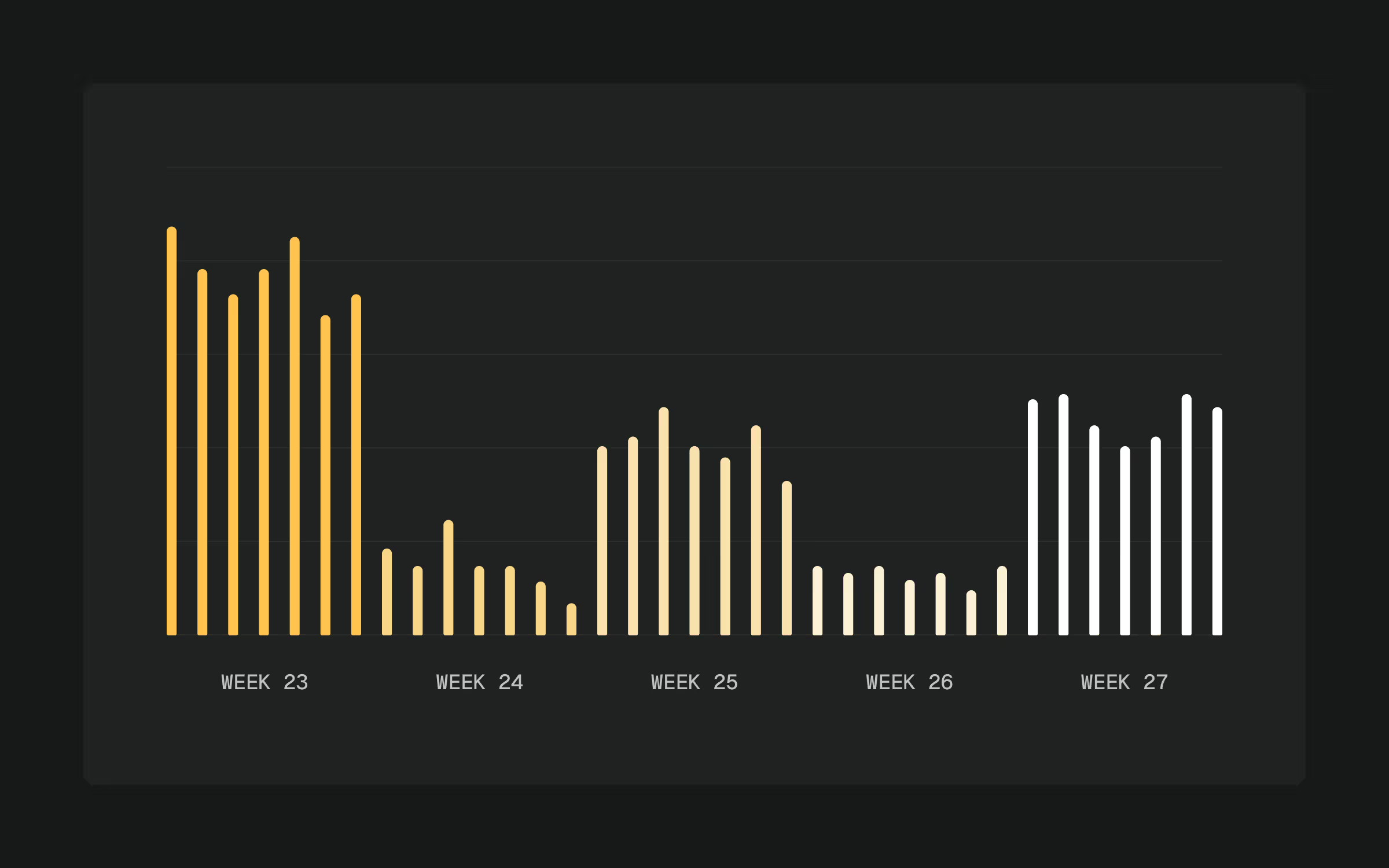

Always stay up-to-date with live data flowing directly into your dashboard. Track changes as they happen.

Tailor your dashboard to show the metrics that matter most. Create multiple views for different team members or purposes.

Easily share your insights with the team. Comment, edit, and collaborate on reports without leaving the platform.
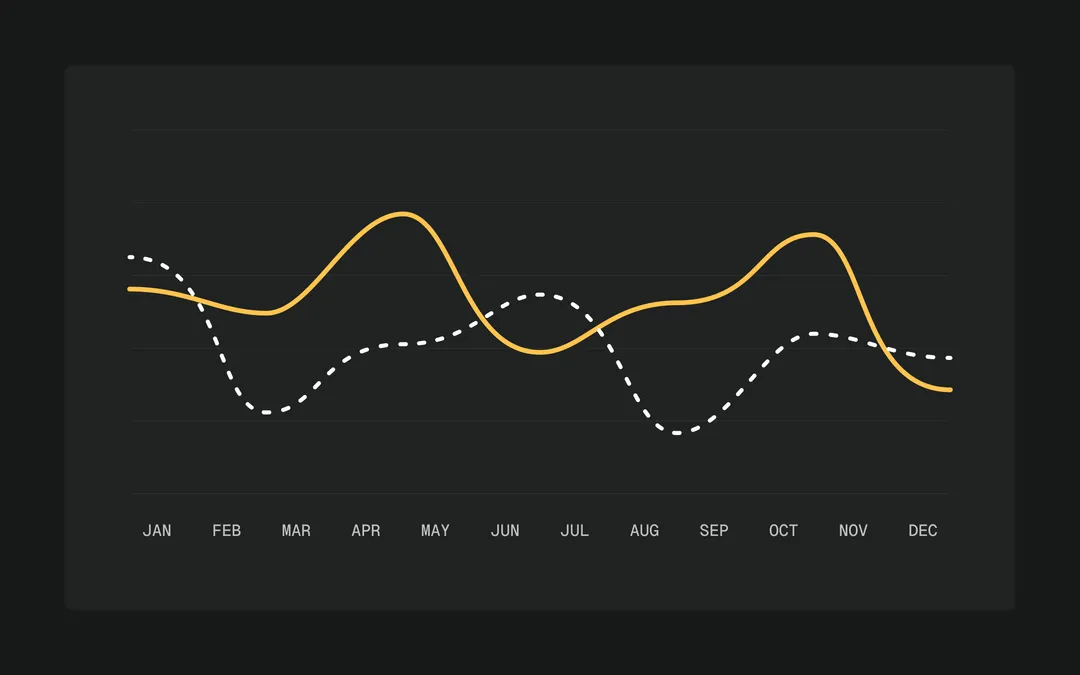

Save time with automated, scheduled reports. Get the insights you need, delivered straight to your inbox.

Discover patterns and trends in your data effortlessly. Visualise historical data to forecast future performance.

Dive deeper into your data with interactive charts. Hover and click for more detailed insights and breakdowns.
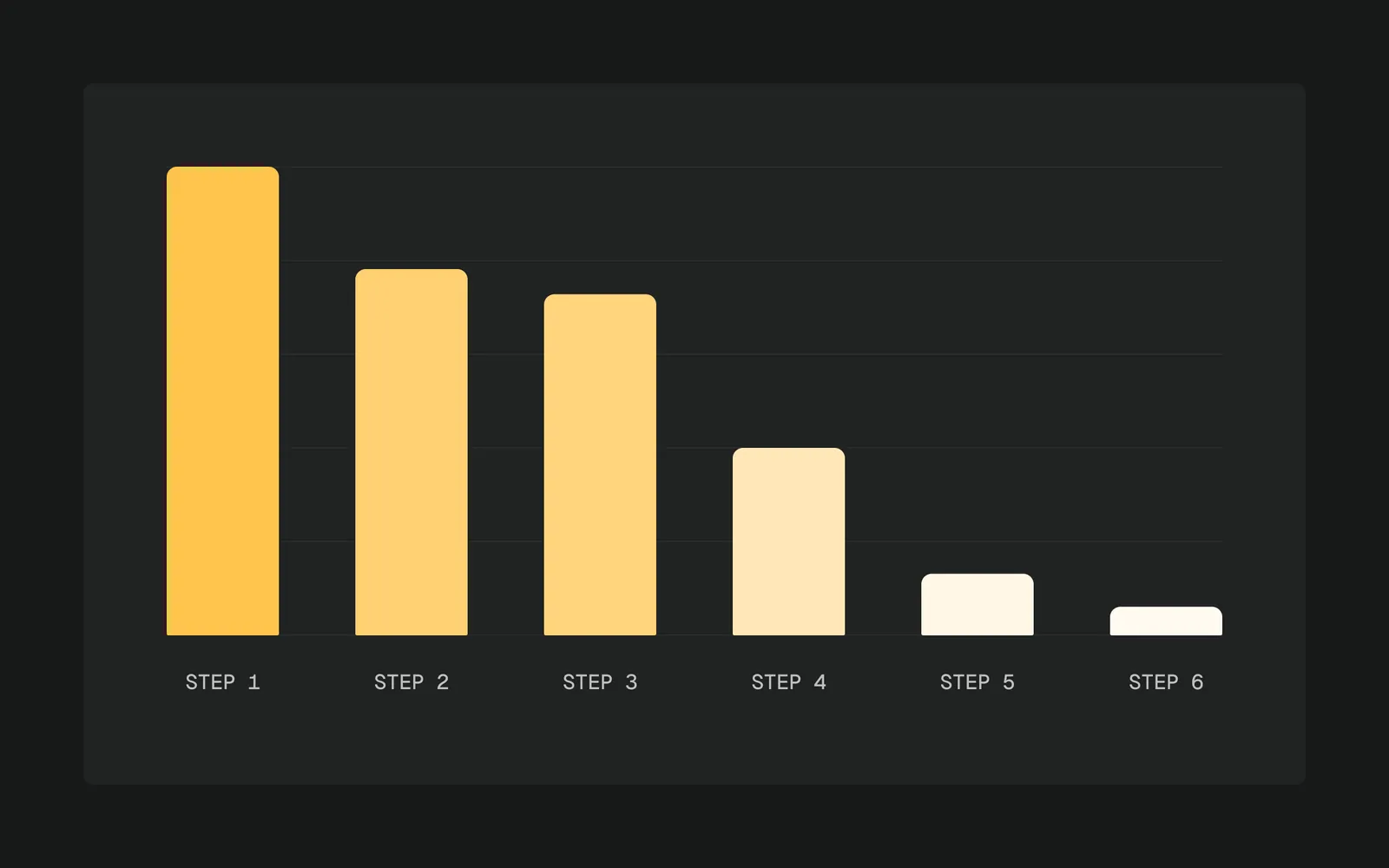

Get started fast with easy integrations. Connect your existing tools and platforms with just a few clicks.

Keep everything in sync. Torch ensures that data flows seamlessly between all your connected apps, so nothing is ever out of date.

No need for technical expertise. Set up integrations without writing a single line of code, making it accessible to everyone on your team.

You rate your symptoms on a 1-10 scale whenever you want. MindSync tracks those scores over time and shows you the trend. The AI also picks up patterns in what you talk about: recurring topics, shifts in themes, things that keep coming up. Your weekly summary pulls it into a short read of what your week actually looked like. No quizzes. No guesswork. Your own words and your own scores, reflected back.
Good therapy digs deeper. MindSync doesn't tell you what to do or agree with everything you say. It helps you explore. The questions surface blind spots and patterns you might miss on your own. Reflection with structure, not therapy with a chatbot.
No. Your data is encrypted. We don't sell it. We don't share it. It's yours.
Can I share data with my therapist?Yes. You control what gets shared. Generate weekly summaries or monthly audits with patterns and your self-reported data, then share however you want: email, PDF, WhatsApp, or bring your phone to the session.
MindSync is a tool for you. Some therapists love the data. Others won't use it. But you deserve to know if therapy is working, and the data is yours regardless. We built this with 50+ mental health professionals, and therapists who've seen it tend to say they wish every client did this.
No. MindSync is a therapy support tool. It captures what matters, surfaces patterns, and prepares you for better conversations. We support therapy. We never replace it.
You can still use MindSync to reflect on your mental health and spot patterns. When you're ready to start therapy, you'll have data that makes that first conversation easier.
About one week of regular check-ins. After 30 days, the picture gets clearer. After 90 days, you can see your whole therapy arc.
MindSync is not a substitute for emergency mental health care. If you're in crisis, contact local emergency services or a crisis hotline. MindSync supports ongoing therapy, not acute crisis intervention.


